GridWhiz (Thailand) · national consortium · 2023 · Mobile · Station firmware · Web · UX/UI Designer — project lead
BATT SWAP
Thailand's swappable-battery platform for electric motorcycles — app, station firmware, and web, designed as one flow.
“ถ้าทุกค่ายใช้แบตคนละก้อน ประเทศจะมีตู้กี่แบบ?
If every provider runs its own pack, how many cabinets does one kerb need?
ch.01 · the problem
One standard instead of silos
Thailand had no common standard for swappable batteries: every provider ran its own packs and chargers, and without a policy direction the country was heading for a different cabinet on every kerb, the way ATMs line up today. A national program led by ENTEC set one standard — battery dimensions, connectors, communication protocols — and GridWhiz, a project member holding IP through its contributions, built the prototype station. The platform's answer: packs compatible across motorcycle models, chargeable at any station, talking basic state back to the rider.
fixed before I started
ch.02 · scope
What I designed, what was already fixed
Designed
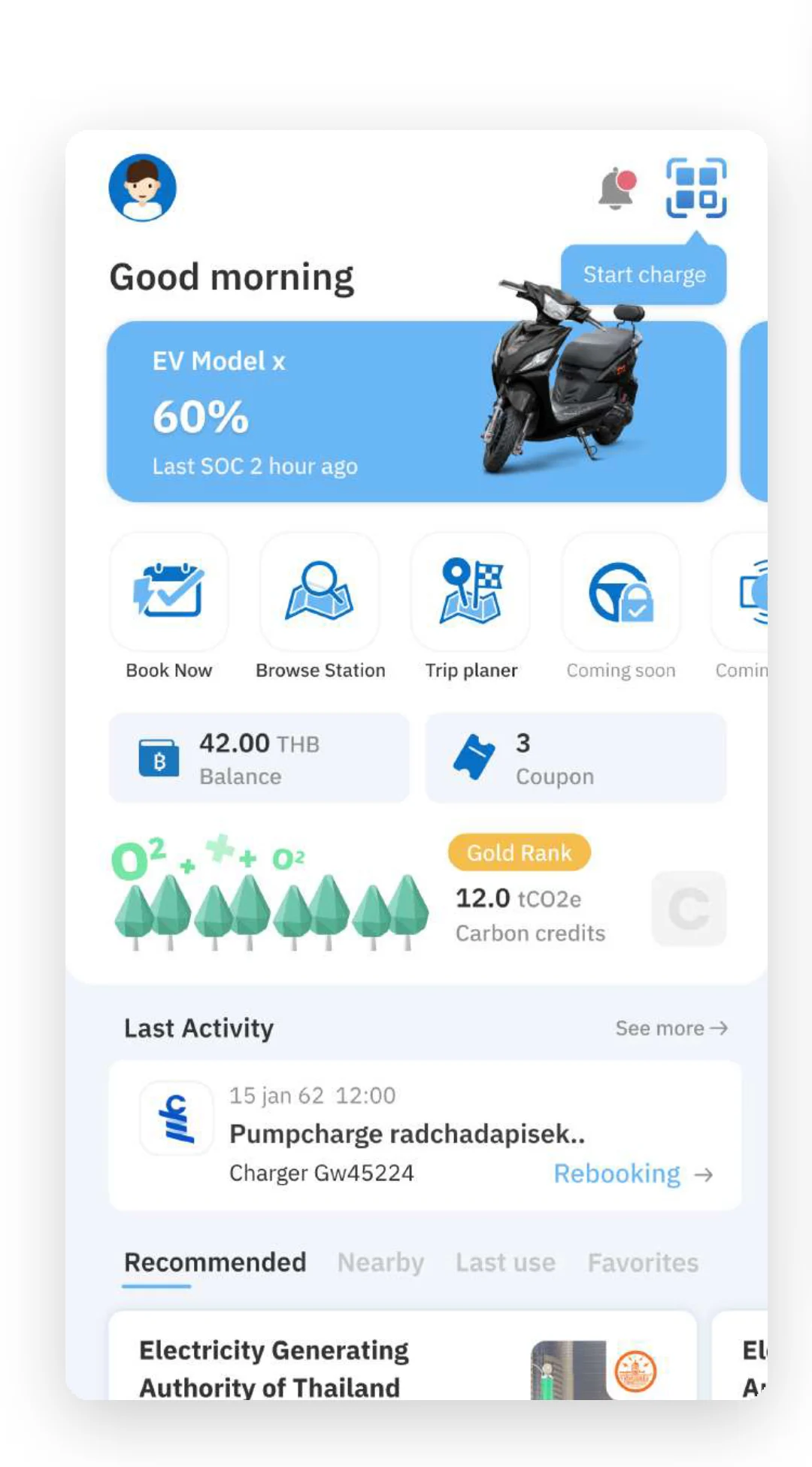
- PumpCharge app UX/UI
- Station firmware UI (Thai + English)
- Program website
Given
- Battery/connector/protocol standard — set by the national ENTEC program
- Station hardware and prototype build — GridWhiz
- The 30-second swap window — a hardware constraint, not a design choice
ch.03 · outcome
Where it landed
“Batt Swap สัญชาติไทย ทลายกำแพงแบตมอตอร์ไซค์ไฟฟ้า”
the press ran it as Thai-made tech breaking the battery wall · 30 May 2023
Techsauce Global Summit
the platform showcased on Asia's biggest tech stage, Iconsiam Bangkok
Real forecourts, real riders
sixteen-slot stations in service at Bangchak stations — watching first-time swaps fed straight back into the firmware flow
ch.04 · approach
Three surfaces, one session
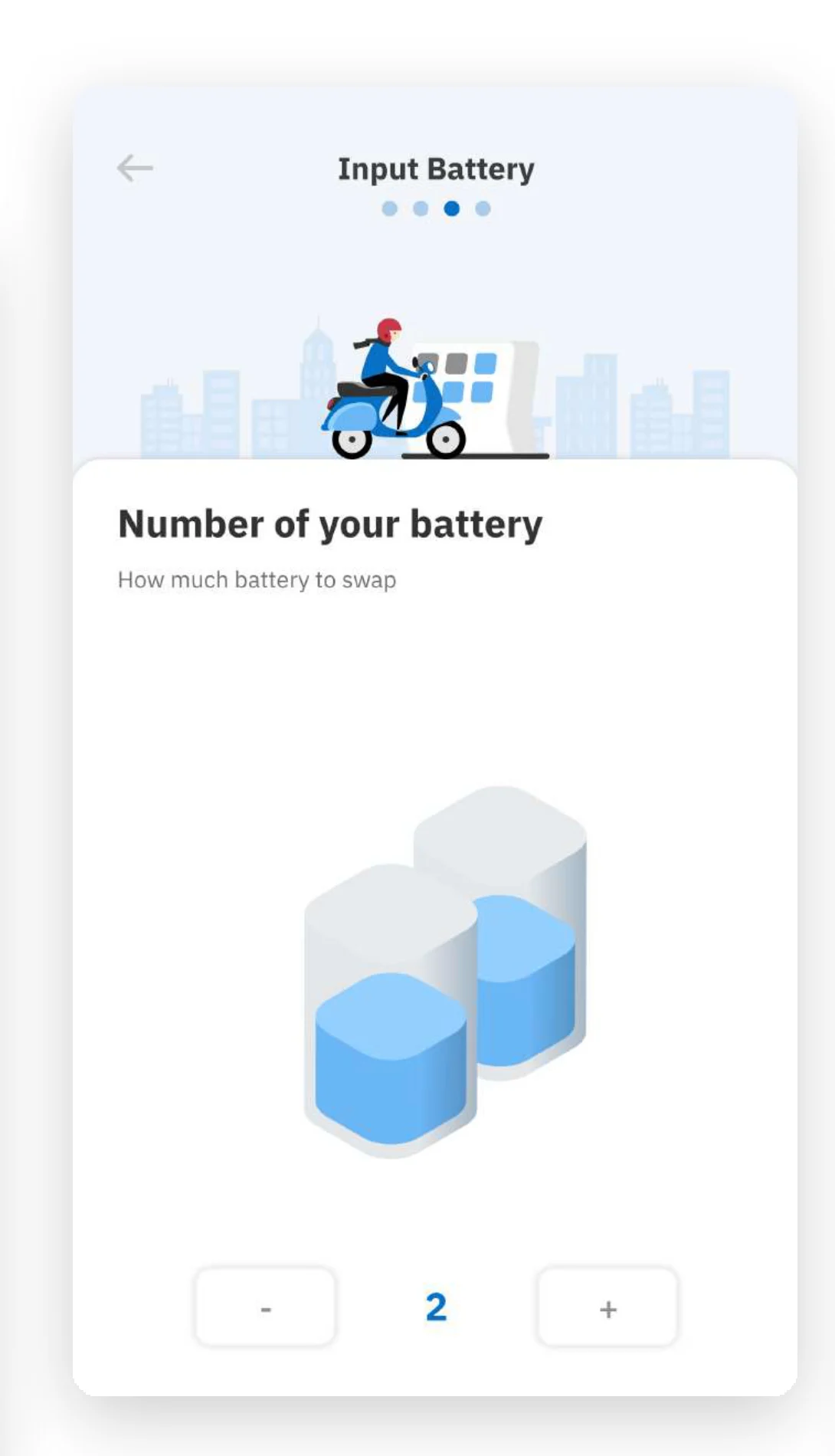
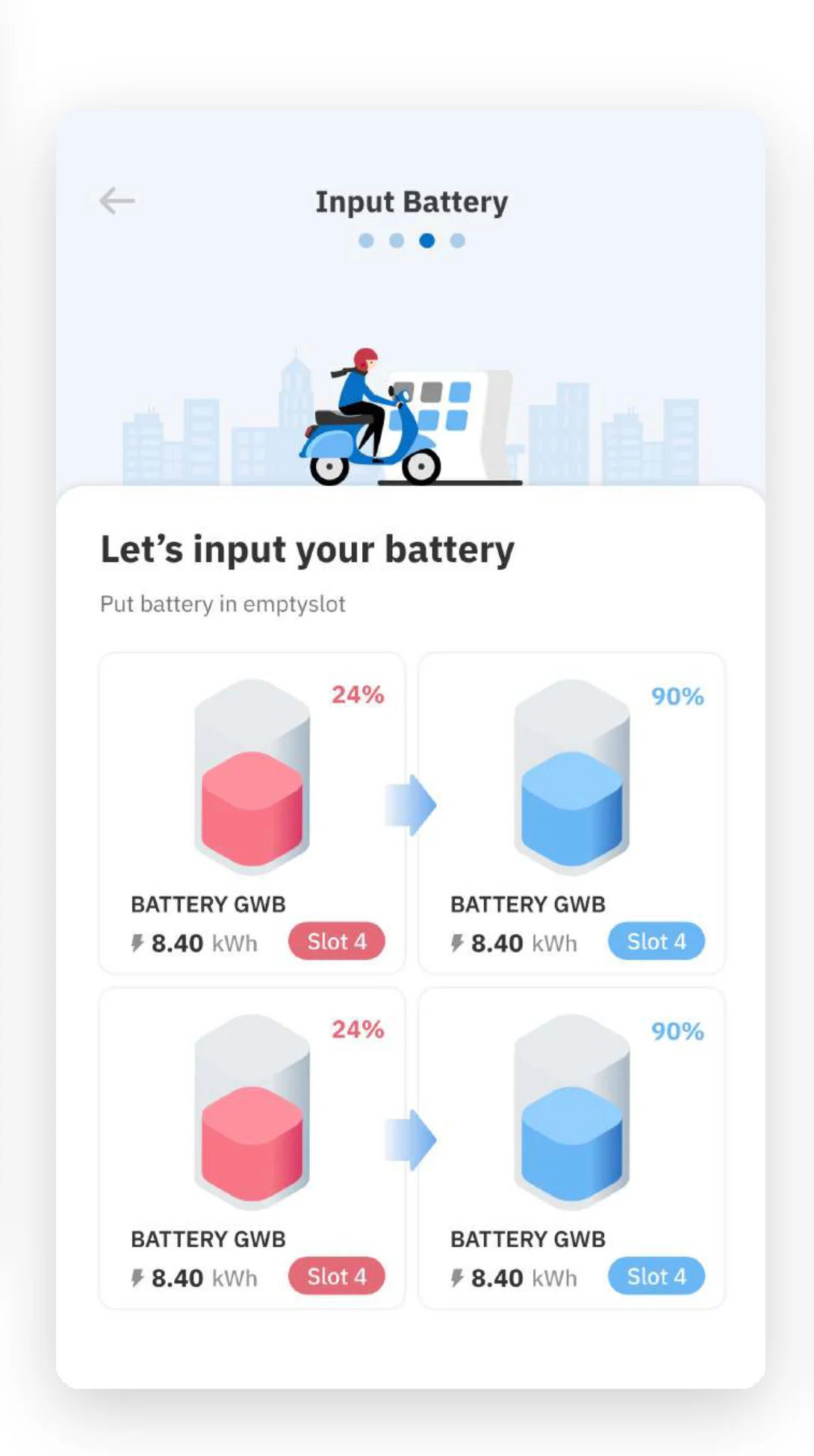
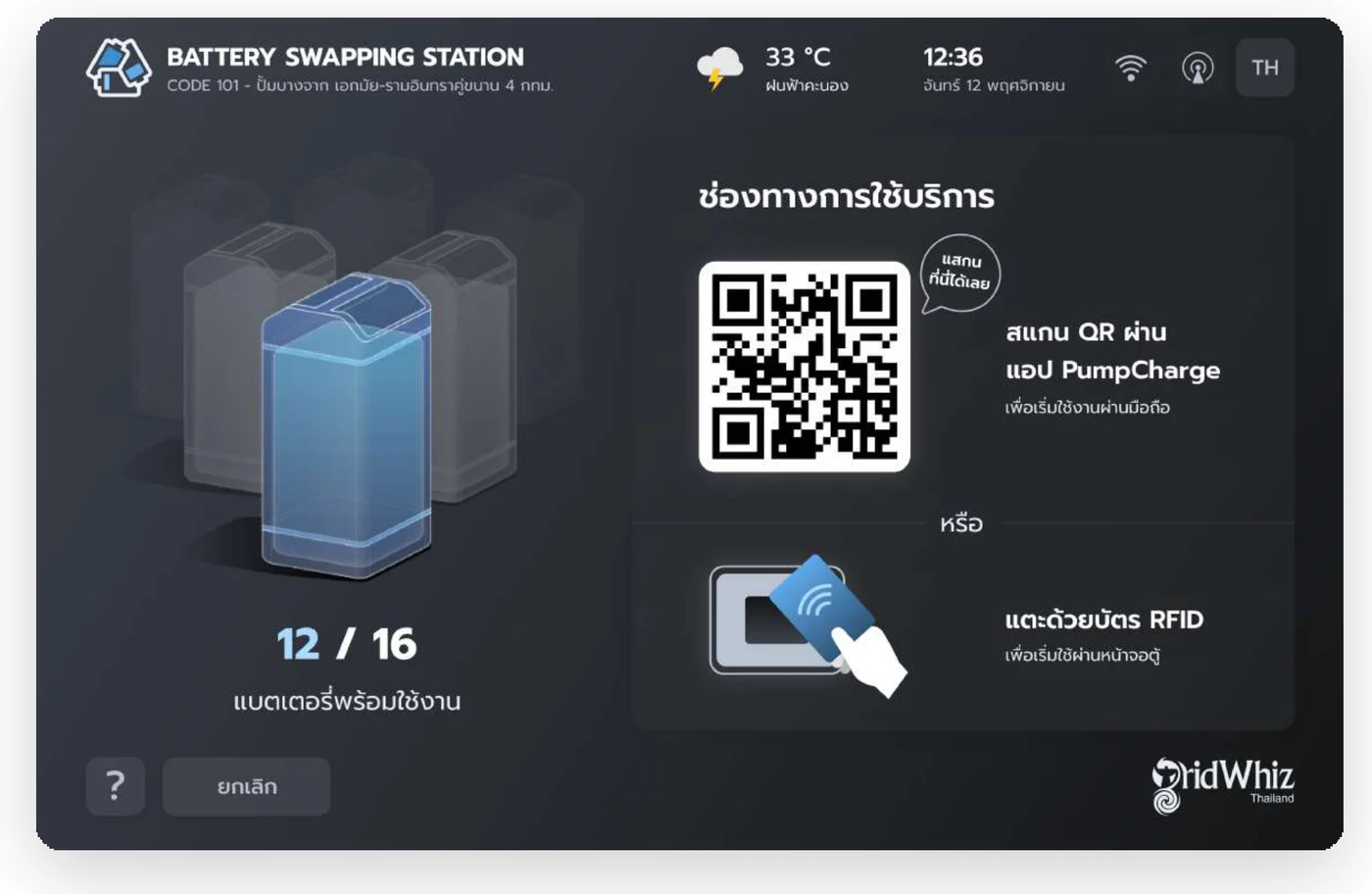
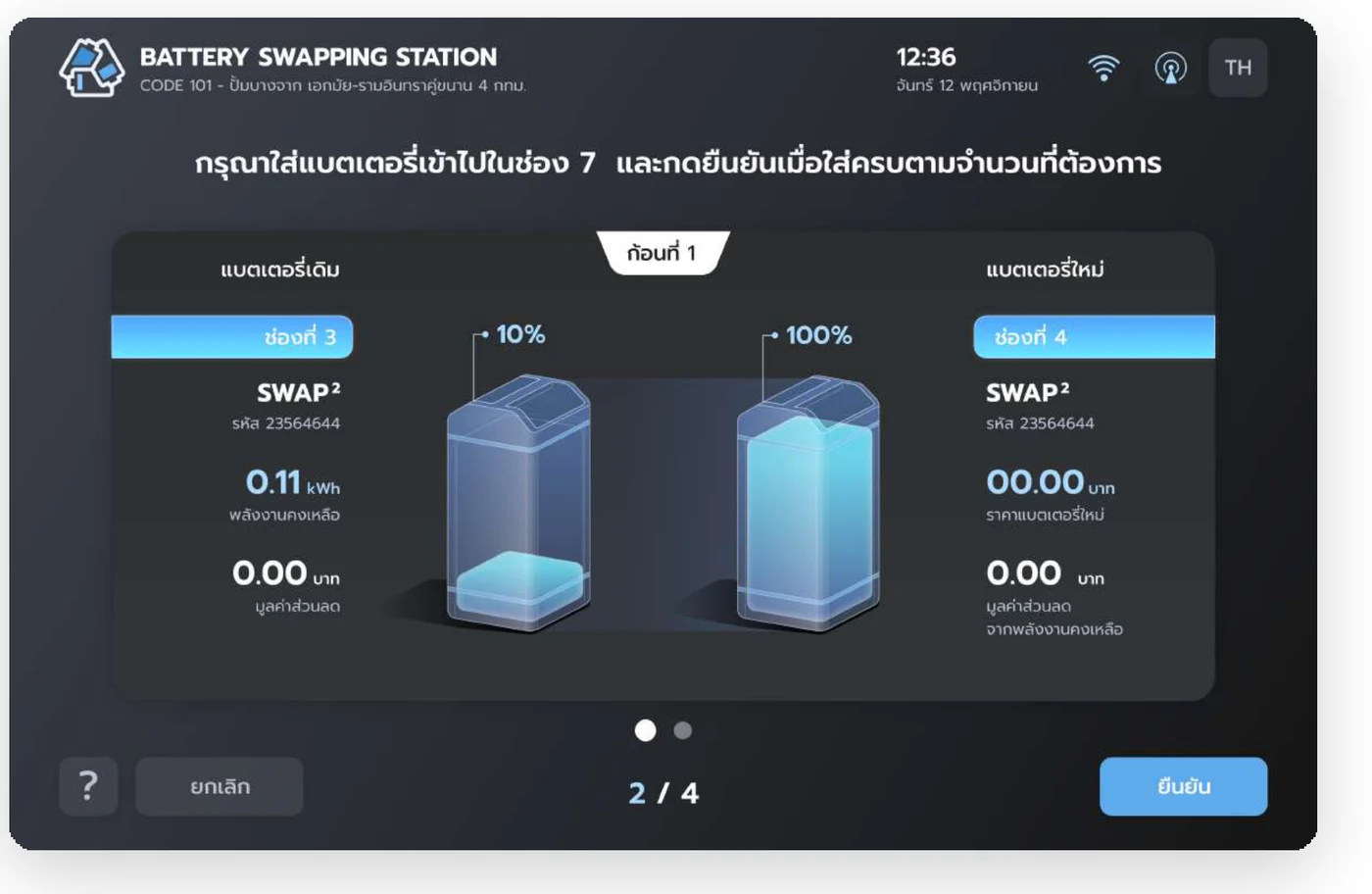
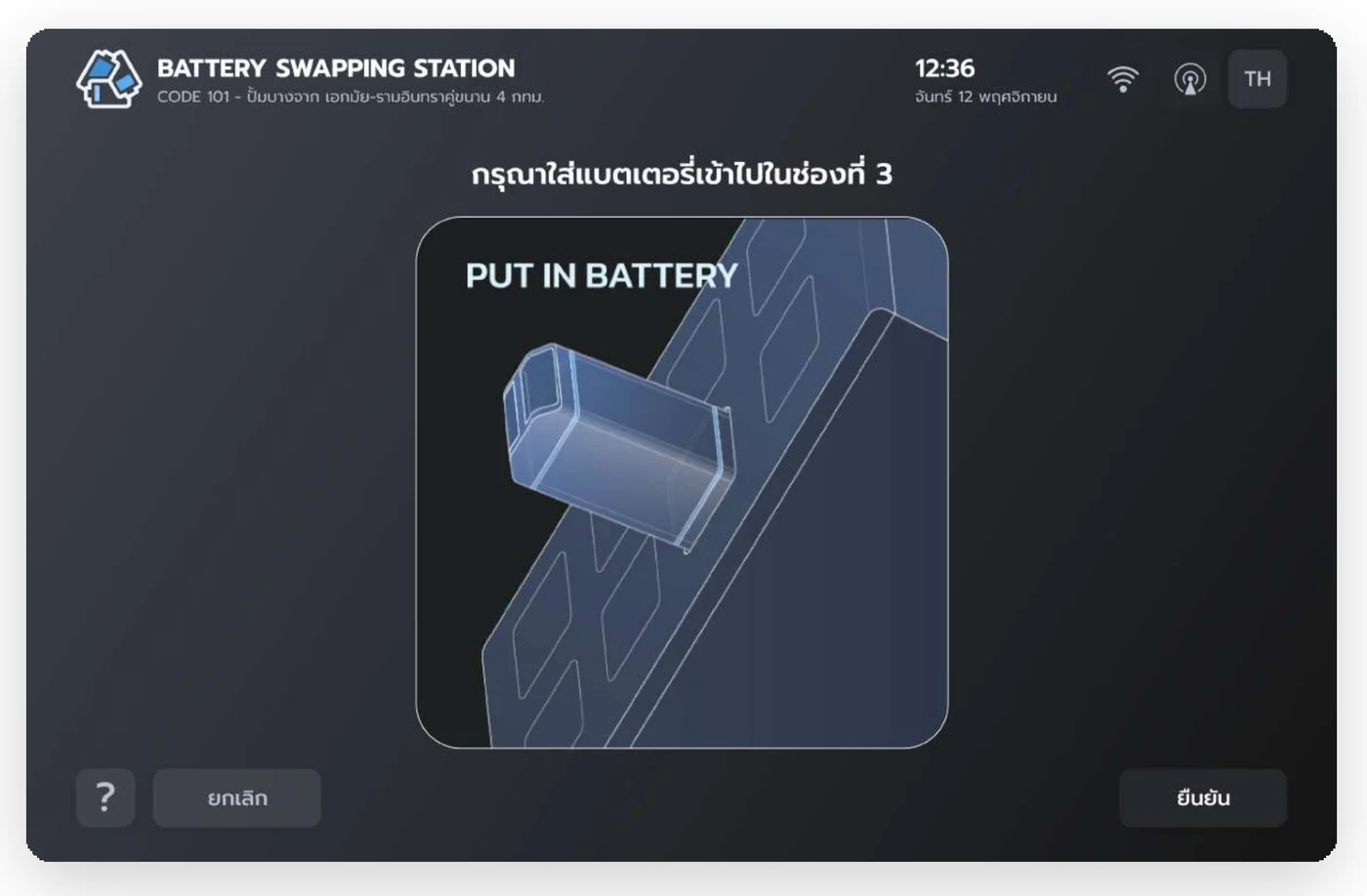
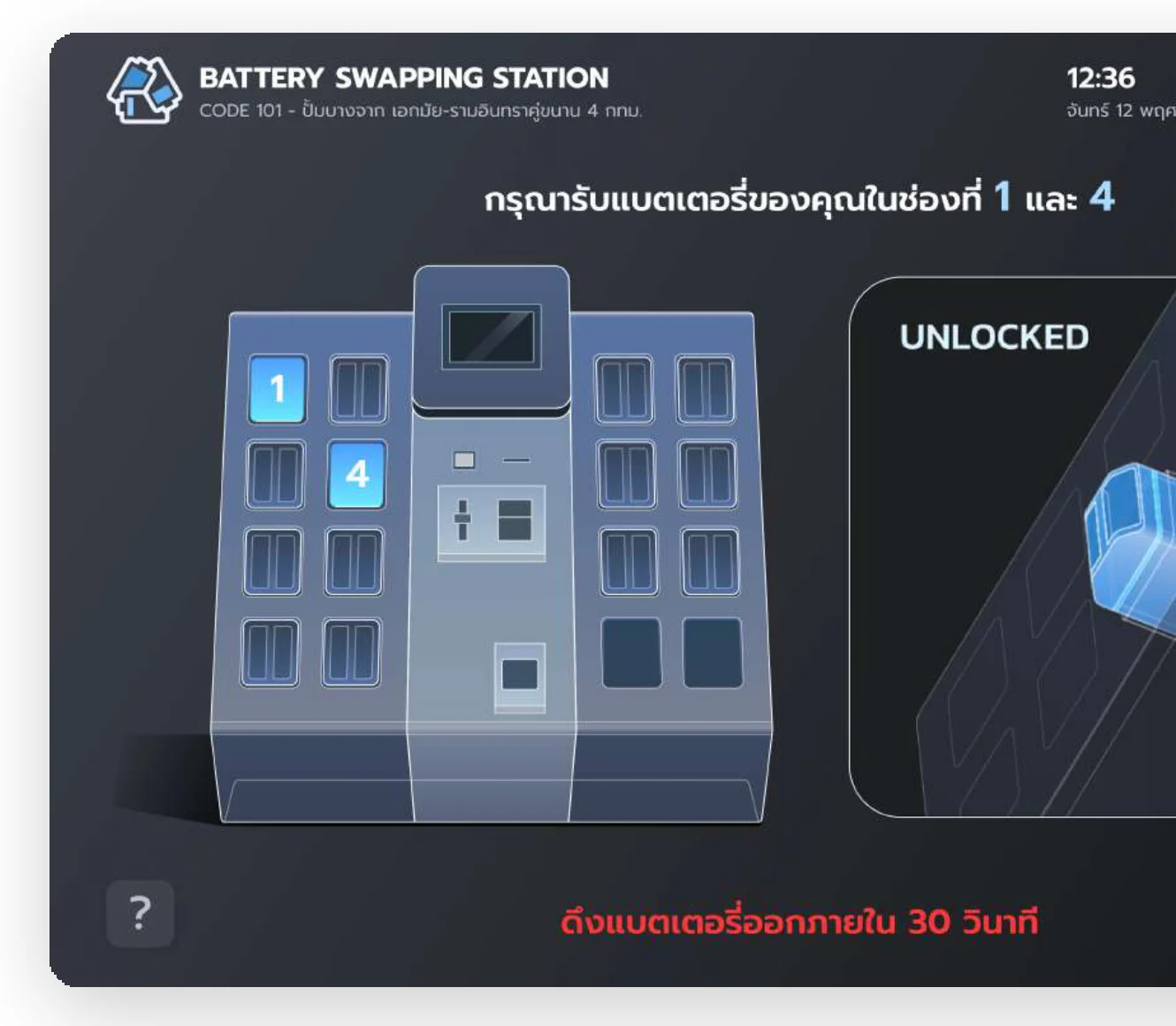
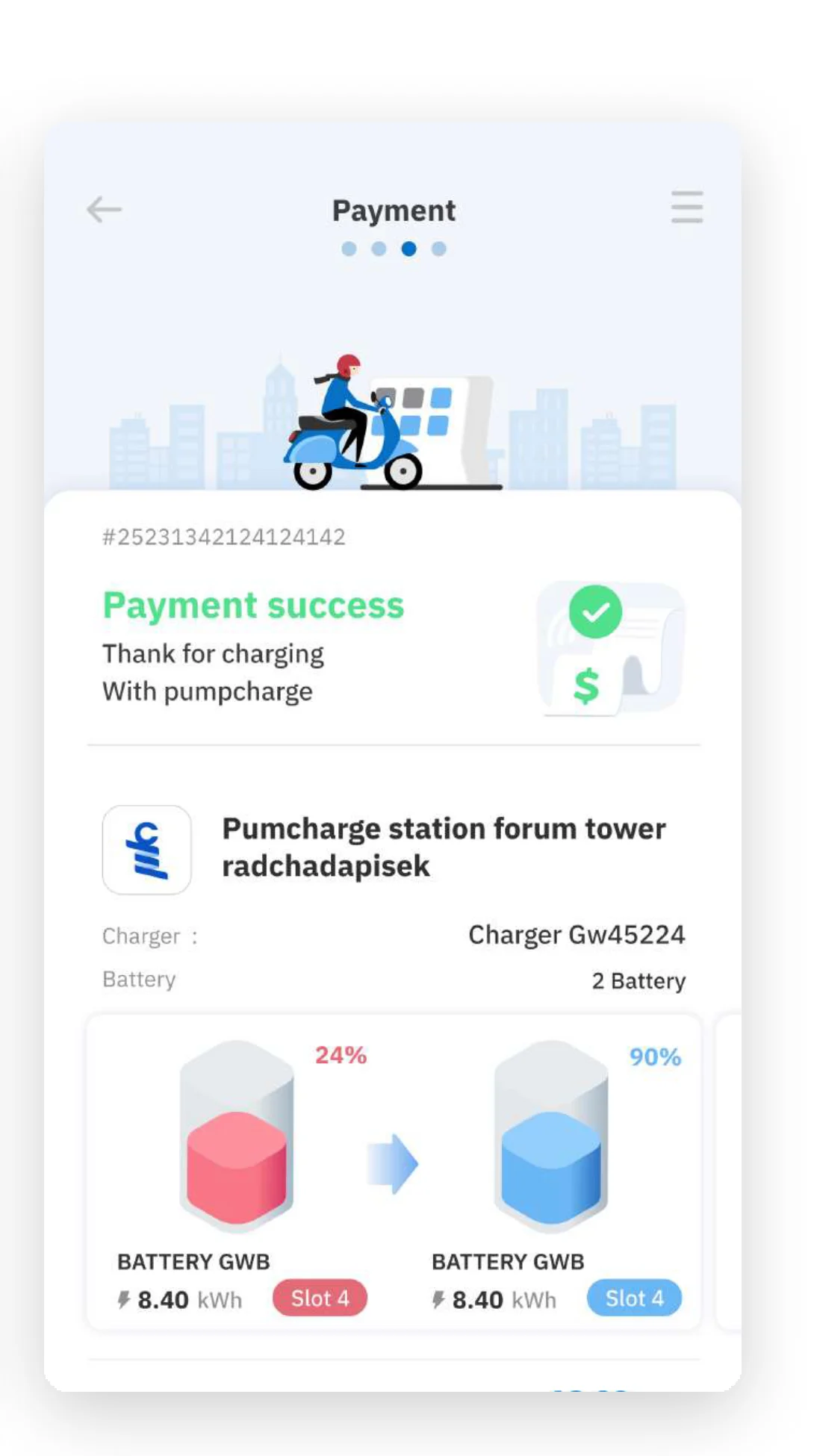
A swap starts on a phone, continues on a station touchscreen, and ends with a battery in a numbered slot. I designed the PumpCharge app, the station firmware, and the website as one continuous session: scan a QR or tap an RFID card, follow slot-by-slot guidance with oversized type readable in direct sun, and confirm in Thai or English. The same state machine drives every screen.
the hardware
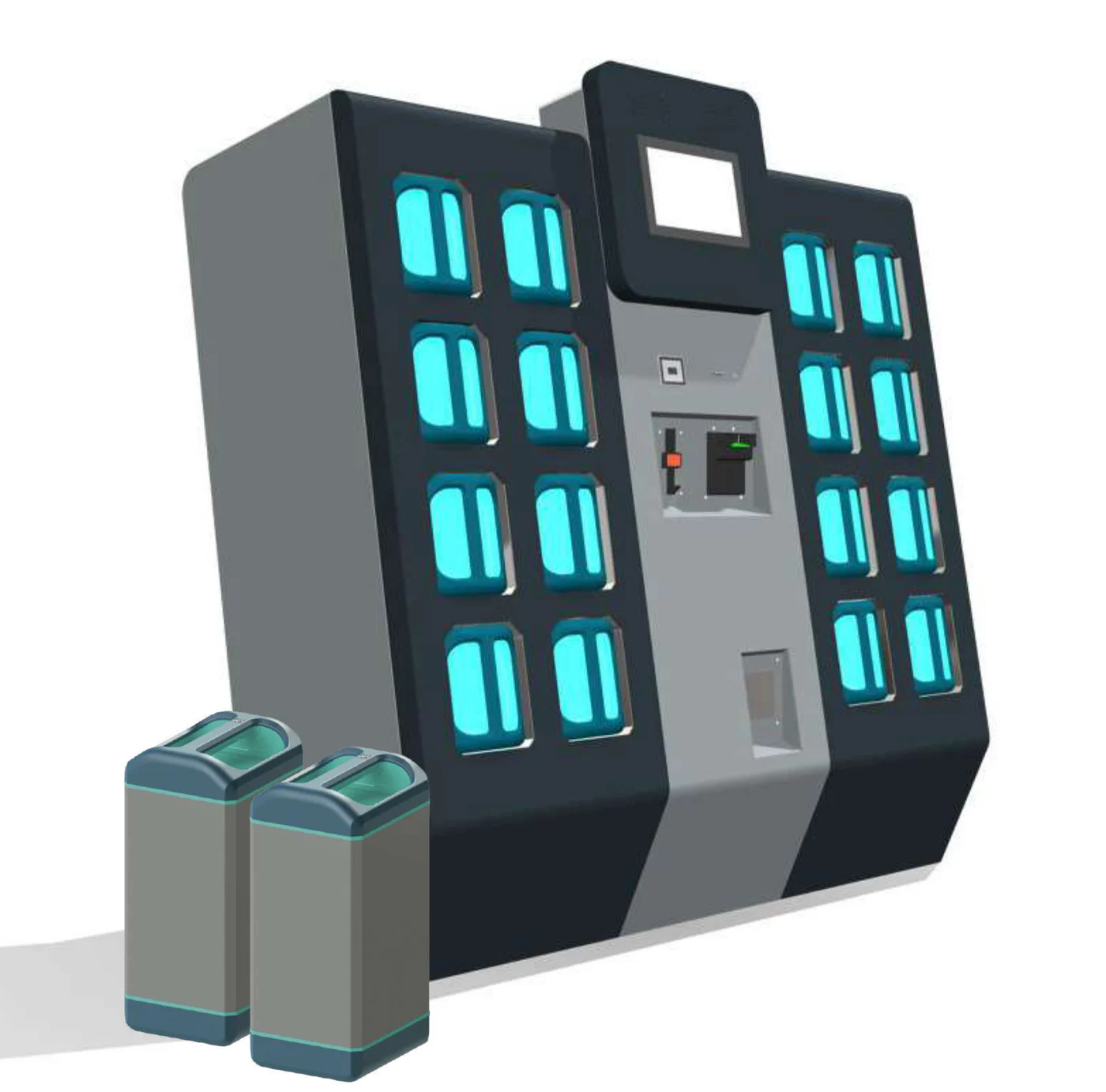
The station, documented.
Sixteen slots, in service at real Bangchak forecourts — designed around a hard 30-second window a first-time rider can't miss.
ch.05 · approach
Tested where the batteries live
Stations shipped to real forecourts, the platform was showcased at Techsauce Global Summit, and the press ran it as Thai-made tech breaking the battery wall. Watching first-time riders at live stations fed straight back into the firmware flow — fewer steps, bigger confirmations, and a hard 30-second window made unmissable.
ch.06 · approach
Decisions, and why
d.01
One state machine drives app, firmware, and web
three surfaces in one swap can never disagree on status
d.02
Oversized type on the station screen
it has to be readable in direct sun, at the kerb, in gloves
d.03
Entry by QR or RFID card
a rider without the app installed still needs to swap
d.04
The 30-second window made unmissable, not hidden
a hardware limit you can't change, you surface — so no one is caught out
d.05
Steps cut after watching first-time riders on-site
field observation beat lab assumptions about what was 'obvious'
the reel · every screen, in order
ch.07 · delivered
- PumpCharge app — riding, swapping, and payment flows end to end
- Station firmware UI in Thai and English, designed for sunlight and gloves
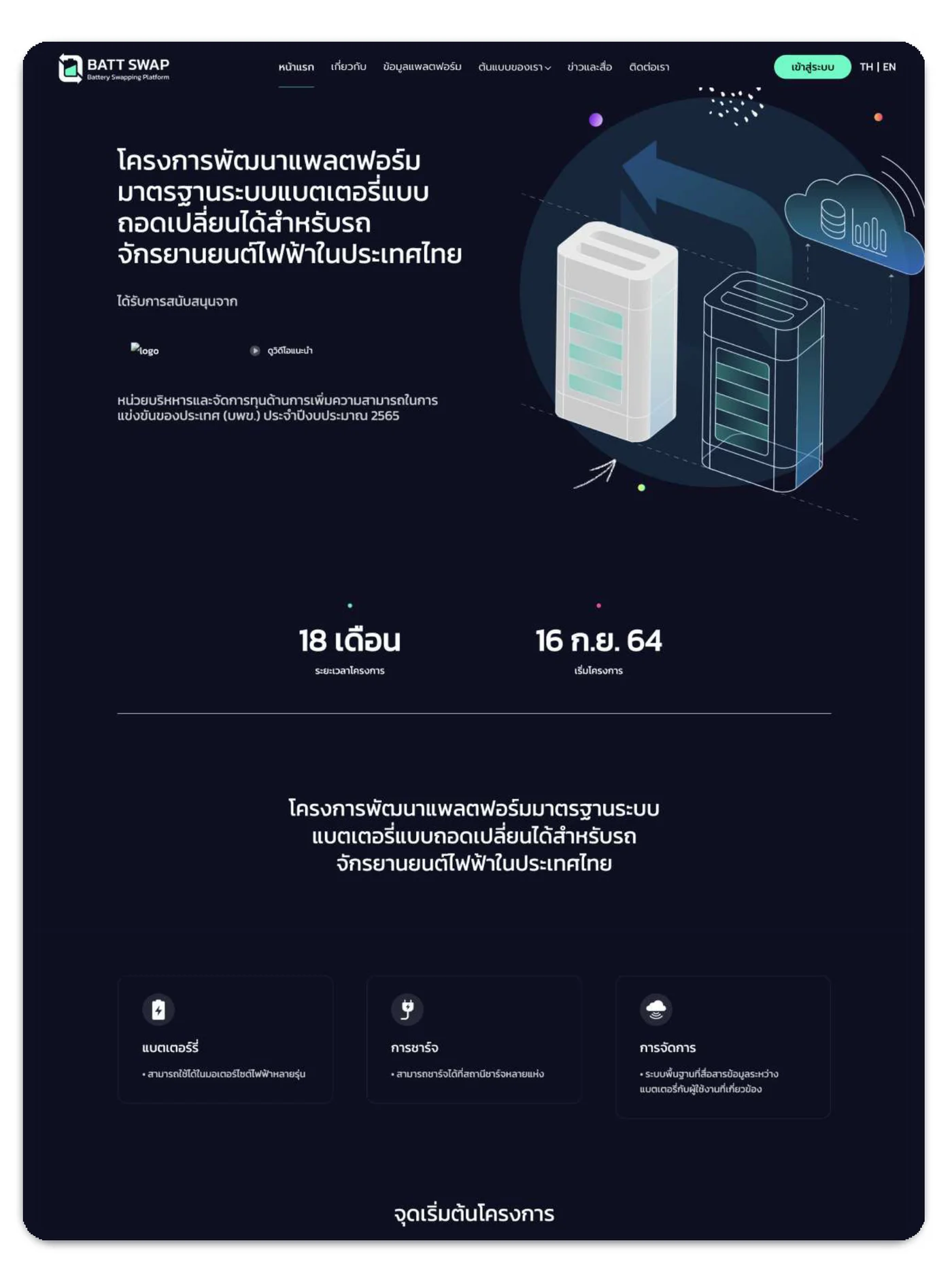
- BATT SWAP website plus launch collateral — brochure, roll-up, station wrap
ch.08 · reflection
If I did it again
Benchmark the swap myself
Set my own before/after on completion time and failed swaps, rather than trusting the station's field read.
Test for sun and gloves earlier
The field taught me late what a scoped station test — glare, gloves, first-timers — would have caught before install, not after.
One shared library across the three surfaces
App, firmware, and web drifted in small ways; a shared component library from day one would have kept them identical, not just consistent.
accepted limitationThe 30-second window is hardware — design can only make it visible, not longer.

next case